


%20&media=https%3A%2F%2Fwww.skechers.com%2Fon%2Fdemandware.static%2F-%2FLibrary-Sites-SkechersSharedLibrary%2Fdefault%2Fdw1af8324c%2Fimages%2Fbloglink%2FSkechers%20Featured%20Image.jpg)


How to Find a Shoe Store Near You (and What to Try On Before You Buy)
To find a shoe store near you, use the Skechers Store Locator, confirm the location’s hours and services, and bring the socks or inserts you plan to wear. A promising shoe should feel comfortable during the try-on, leave appropriate room around the toes, hold the heel securely and match the activity for which it will be used.
Sep 22, 2026
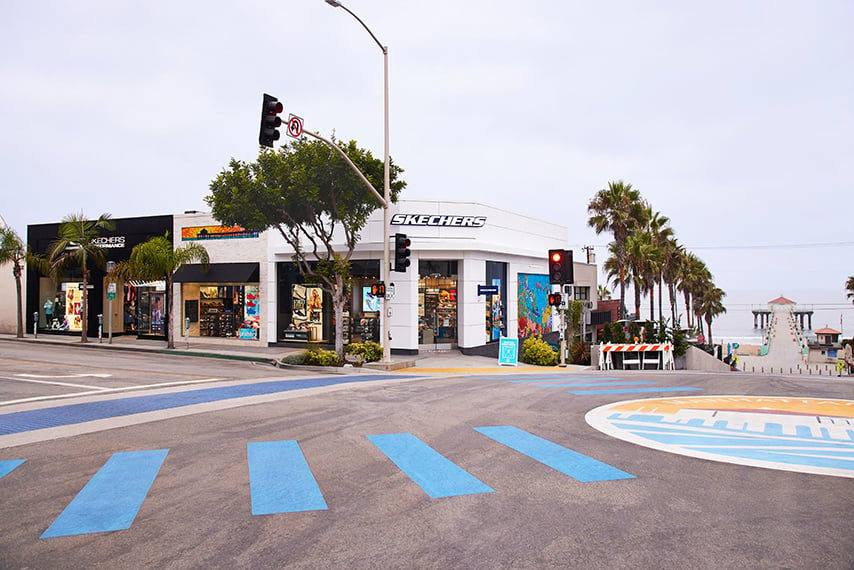
A nearby shoe store can answer the part no size chart can: how a shoe actually feels on your foot.
Start with the Skechers Store Locator, confirm the location’s hours and services, and bring the socks or inserts you plan to wear. Then try on both shoes and check toe room, width, heel hold, pressure points and movement. A promising pair should feel comfortable before you leave the store, not after a hopeful break-in period.
Start with the Skechers Store Locator, confirm the location’s hours and services, and bring the socks or inserts you plan to wear. Then try on both shoes and check toe room, width, heel hold, pressure points and movement. A promising pair should feel comfortable before you leave the store, not after a hopeful break-in period.
How to Find a Shoe Store Near You

Search the Store Locator by city, state or ZIP code, or allow it to use your current location. Results can help you identify nearby retail, outlet and factory stores.
Open the page for the location you are considering and review its current hours, phone number, directions, available departments and any listed pickup services. Because services and inventory can vary, call ahead if your trip depends on one exact style, size, width or work feature.
Before leaving, confirm:
Open the page for the location you are considering and review its current hours, phone number, directions, available departments and any listed pickup services. Because services and inventory can vary, call ahead if your trip depends on one exact style, size, width or work feature.
Before leaving, confirm:
- The store is open.
- It carries the footwear category you need.
- Your preferred size or width may be available.
- Any listed pickup option works for your order.
Decide What the Shoe Needs to Do
Comfort is easier to judge when you know the shoe’s job. Are you shopping for daily walking, long work shifts, running, trail use, court play, travel or casual wear? Will you use thin socks, thick athletic socks or an orthotic? Do you prefer laces, an adjustable strap, a slip-on design or Skechers Hands Free Slip-ins®?
A pleasant first step is only part of the test. The shoe should also match the activity, surface and features you need. Running, walking, court, hiking and work footwear are designed around different combinations of cushioning, flexibility, structure and traction.
Bring the socks, hosiery and inserts you expect to wear. Shopping later in the day can also be useful because feet may be slightly larger after hours of standing and walking. Have both feet measured for length and width, and use the larger foot as the starting point when the measurements differ.Insert your text here
A pleasant first step is only part of the test. The shoe should also match the activity, surface and features you need. Running, walking, court, hiking and work footwear are designed around different combinations of cushioning, flexibility, structure and traction.
Bring the socks, hosiery and inserts you expect to wear. Shopping later in the day can also be useful because feet may be slightly larger after hours of standing and walking. Have both feet measured for length and width, and use the larger foot as the starting point when the measurements differ.Insert your text here
The In-Store Shoe Fit Checklist
| Fit Check | A Promising Sign | A Warning Sign |
|---|---|---|
| Toe Length | Roughly 3/8 to 1/2 inch beyond the longest toe while standing | Toes touch the front, or extra length lets the foot slide |
| Toe-Box Shape | Toes rest naturally and can move | Toes overlap, curl or feel crowded |
| Width | The widest part of the foot sits comfortably in the widest part of the shoe | Pinching, bulging or strong side pressure |
| Heel Hold | The heel feels secure while walking | Repeated lifting, sliding or rubbing |
| Top of the Foot | The upper and closure hold without pressure | A seam, tongue or overlay creates a hot spot |
| Underfoot Feel | Cushioning and contour feel comfortable and steady | A hard pressure point or unstable sensation |
| Flex and Structure | The shoe bends where the foot bends and feels secure through the middle | It folds through the arch, twists excessively or feels rigid in the wrong place |
| Movement | You can walk, turn and stop without fighting the shoe | The foot shifts, the toes hit the front or discomfort increases |
Take several normal laps around the store. Turn in both directions, stop, restart and stand still for a moment. You are not testing how dramatic the shoe can make an entrance; you are testing whether it quietly does its job.
Check Length and Shape Together
Judge length while standing, and check the longest toe rather than assuming it is the big toe. Approximately 3/8 to 1/2 inch of space in front of that toe is a useful starting point, but the front of the shoe must also be wide and deep enough for your foot.
Going up a full size may not solve a width problem. It can add empty length while allowing the heel to move. Ask to compare the same style in another width before assuming a longer shoe is the answer.
Going up a full size may not solve a width problem. It can add empty length while allowing the heel to move. Ask to compare the same style in another width before assuming a longer shoe is the answer.
Look for a Secure Heel
Walk at your usual pace and notice repeated lifting or rubbing. A small amount of movement can depend on the shoe’s construction, but obvious slipping suggests that the size, width, shape or lacing is not working.
For hands-free footwear, step in and out several times. Easy entry should still be followed by a secure, comfortable hold once the shoe is on.
For hands-free footwear, step in and out several times. Easy entry should still be followed by a secure, comfortable hold once the shoe is on.
Treat Pressure Points as Useful Information
Pay attention to a seam touching one toe, an overlay pressing the side of the foot, a collar rubbing the ankle or a tongue pressing the instep. Those early signals are reasons to compare another size, width or design.
Do not buy a pair that depends on painful stretching or softening to become wearable. Materials may relax with use, but a shoe that pinches, rubs or causes numbness in the store is not a reliable starting point.
Do not buy a pair that depends on painful stretching or softening to become wearable. Materials may relax with use, but a shoe that pinches, rubs or causes numbness in the store is not a reliable starting point.
Test the Movement You Will Actually Use
A walking shoe should feel comfortable during a normal stride. A court or training shoe should keep the foot from sliding during controlled side steps. A work shoe should remain secure while standing, walking and turning. Keep the test appropriate for the store and for the shoe’s intended purpose.
Cushioning is personal. Some shoppers prefer a softer step, while others feel more comfortable on a firmer platform. The better early indicator is whether the cushioning feels even, stable and appropriate for your routine.
Cushioning is personal. Some shoppers prefer a softer step, while others feel more comfortable on a firmer platform. The better early indicator is whether the cushioning feels even, stable and appropriate for your routine.
Ask for Width Before Adding Length
Skechers offers different fit options across participating styles. The exact availability depends on the product, but the general categories can help you ask a more useful question in the store.
| Fit Option | General Feel | When to Compare It |
|---|---|---|
| Medium | A closer, even fit from heel to toe | When the foot feels held without side pressure |
| Roomier Toe Box | A medium heel with more space toward the front | When the heel fits but the toes feel crowded |
| Wide | More interior room through the foot | When the sides feel compressed or the upper bulges |
| Extra Wide | Maximum interior room in participating styles | When a standard wide fit still feels restrictive |
Use the Skechers Size Chart to review current size and width guidance before your visit. Then compare the exact pair on both feet rather than assuming the same labeled size will fit identically across every collection.
Match the Try-On Test to the Activity
| Intended Use | What to Prioritize |
|---|---|
| Daily Walking | Comfortable movement, a secure heel, toe room and flex near the ball of the foot |
| Running | A running-specific design, secure heel and midfoot, forefoot room and your usual running socks |
| Work and Safety | Proper fit plus every required feature listed for the exact style |
| Trail and Hiking | Surface-appropriate traction, secure hold, toe room with hiking socks and a stable feel |
| Court and Training | Side-to-side hold, minimal sliding and an outsole intended for the surface |
| Casual or Dress | No concentrated pressure and enough comfort for the walking or standing you expect |
No single shoe is ideal for every activity. A casual shoe should not be treated as a substitute for footwear with verified work or sport-specific features.
For work shoes, read the exact product information instead of judging safety features by appearance. Slip resistance, electrical-hazard protection, safety toes and other workplace features should be confirmed for the individual style.
For work shoes, read the exact product information instead of judging safety features by appearance. Slip resistance, electrical-hazard protection, safety toes and other workplace features should be confirmed for the individual style.
Early Clues About Comfort and Useful Life
No showroom test can predict an exact lifespan. Frequency of wear, activity level, surfaces, fit, care and construction all affect how a shoe ages. You can still look for early clues that a pair is well suited to your routine.
Match the Design to the Use
An indoor shoe worn outdoors every day or a casual outsole used on rough trails is being asked to do a different job. Choosing footwear designed for the activity and surface can help the shoe perform as intended.
Inspect the Outsole
Look for tread and contact surfaces suited to your routine. Check the edges for consistent finishing and visible gaps or irregularities. Judge traction by the product’s intended use rather than trying to slide across the store floor.
Check the Heel and Middle
For many everyday and athletic shoes, the heel area should resist collapsing too easily and the middle should not fold or twist without resistance. The front should flex in an area that feels natural for your stride and the activity.
This is not a contest to find the stiffest shoe. The goal is an appropriate balance of flexibility and structure.
This is not a contest to find the stiffest shoe. The goal is an appropriate balance of flexibility and structure.
Examine the Upper and Closure
Check the lining, seams, overlays and eyelets. The closure should secure the foot without extreme tightening, and the upper should not create a rubbing point. Make sure you can adjust the shoe comfortably without reaching the very end of the laces or strap.
Consider Care Before You Buy
Read the care guidance for the exact style. A material that suits your climate, schedule and cleaning routine is more practical than a pair that only looks good under store lighting.
After purchase, watch for worn tread, reduced cushioning, a heel that begins to collapse, new slipping or uneven wear. A change in how the shoe feels can be as important as a visible change in how it looks.
After purchase, watch for worn tread, reduced cushioning, a heel that begins to collapse, new slipping or uneven wear. A change in how the shoe feels can be as important as a visible change in how it looks.
Questions to Ask a Store Associate
- Can you measure both feet for length and width?
- Can I compare this style in another half size or width?
- What activity and surface is this exact style designed for?
- Does this exact pair include the work, traction or comfort feature I need?
- What are the current return or exchange requirements?
The goal is not to talk yourself into ignoring a pressure point. It is to find the pair that makes the fewest demands on your feet, and your patience.
The Final Decision Test
Before buying, ask one practical question:
Would I be comfortable wearing these for the next two hours exactly as they feel right now?
A promising pair has appropriate toe room, a secure heel, enough width, no concentrated pressure and a design suited to the activity. The fit should not depend on stretching, getting used to discomfort or adding a second pair of socks to rescue the heel.
When the answer is yes, the shoe has passed its first real test.
Visit Your Nearest Skechers StoreWould I be comfortable wearing these for the next two hours exactly as they feel right now?
A promising pair has appropriate toe room, a secure heel, enough width, no concentrated pressure and a design suited to the activity. The fit should not depend on stretching, getting used to discomfort or adding a second pair of socks to rescue the heel.
When the answer is yes, the shoe has passed its first real test.
Frequently Asked Questions
Use the Store Locator and search by city, state or ZIP code, or allow location access. Check the selected location’s page for current hours, directions and available services.
They should feel secure, but not painfully tight. Pinching, rubbing or numbness during the try-on is a reason to compare another size, width or design.
About 3/8 to 1/2 inch beyond the longest toe while standing is a useful starting point. The toe box must also have enough width and depth for your toes to rest naturally.
The heel should feel secure while walking. Repeated slipping or rubbing suggests that the size, width, closure or shoe shape may need to change.
Later in the day can be helpful because feet may be slightly larger after standing and walking. Wear the socks or inserts you plan to use regularly.
A size chart is a useful starting point, but the final decision should be based on how the exact style fits both feet.
If foot pain, numbness or a significant fit concern makes shoe shopping difficult, consider asking a podiatrist or another qualified healthcare professional for guidance.
If foot pain, numbness or a significant fit concern makes shoe shopping difficult, consider asking a podiatrist or another qualified healthcare professional for guidance.



 You have successfully logged in.