















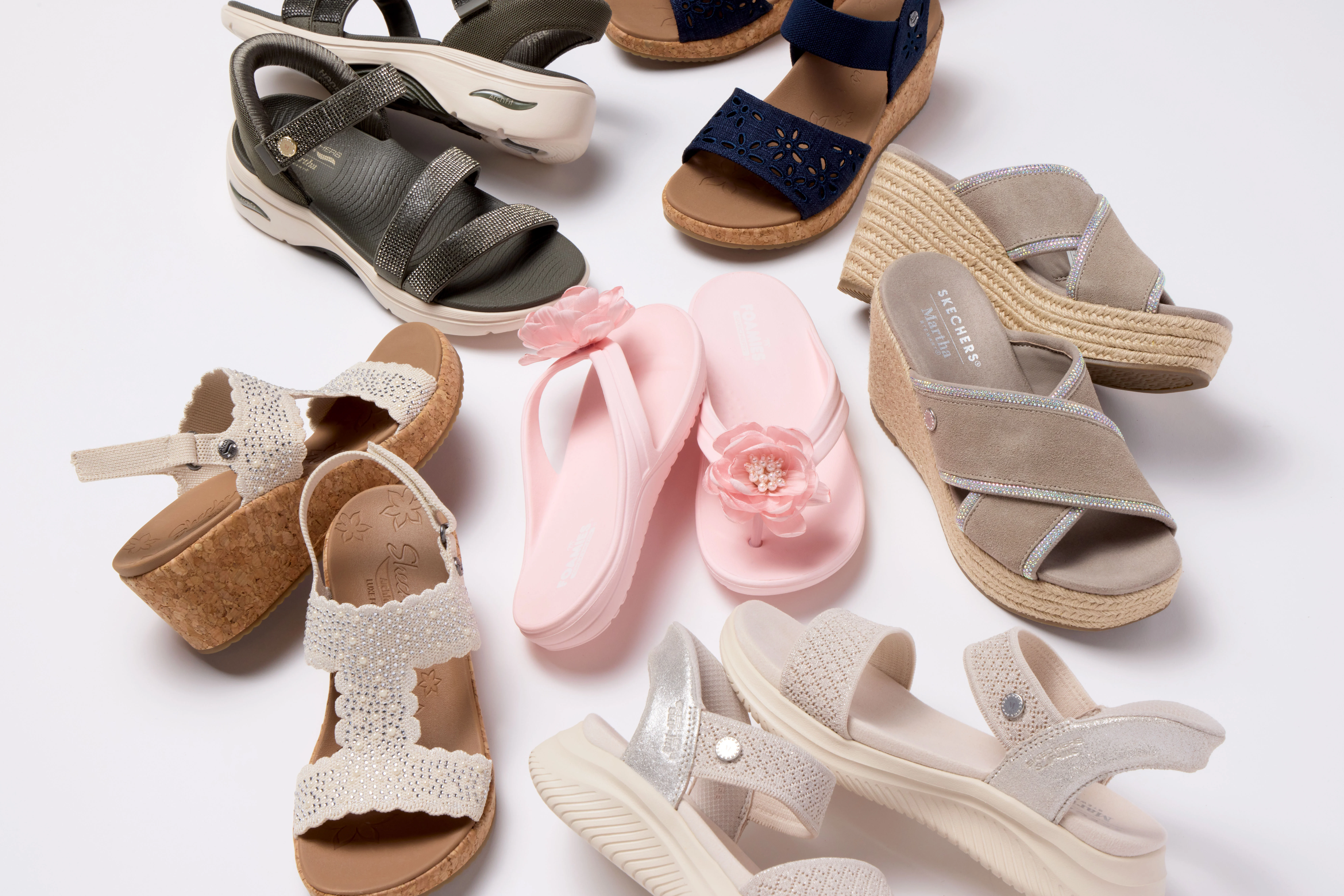
When to Replace Running Shoes: 6 Signs and Mileage Tips
A helpful checkpoint for many runners is the 300–500 mile range, but mileage is only a guide. Consider replacing running shoes when the outsole looks worn, the midsole feels flat, the upper no longer holds securely, or familiar runs feel less smooth, cushioned, or comfortable.
Jul 22, 2026
Running shoes do a lot of quiet work. They meet the pavement, flex through turns, handle regular miles, and help your runs feel smooth and comfortable. But even a favorite pair eventually changes with use.
The outsole may smooth down first. The midsole may start to feel less lively. The upper may stretch, tear, or stop holding your foot the way it used to. When those changes affect comfort, fit, or ride feel, it may be time to start shopping for your next pair.
The outsole may smooth down first. The midsole may start to feel less lively. The upper may stretch, tear, or stop holding your foot the way it used to. When those changes affect comfort, fit, or ride feel, it may be time to start shopping for your next pair.
How Long Do Running Shoes Last?
Many runners start checking their shoes around the 300–500 mile mark, but mileage is only a starting point. Your running surface, stride, pace, weather, and shoe rotation can all affect how long a pair feels fresh.
Replace your running shoes when the outsole looks worn, the midsole feels flat, the upper no longer holds securely, or familiar runs start to feel less smooth or comfortable.
Replace your running shoes when the outsole looks worn, the midsole feels flat, the upper no longer holds securely, or familiar runs start to feel less smooth or comfortable.
Quick Signs Your Running Shoes May Need Replacing
- The tread is smooth or uneven.
- The midsole feels flat, firm, or compressed.
- The upper has stretched, torn, or stopped holding your foot securely.
- The inside lining or sockliner feels worn down.
- A familiar run feels less cushioned, smooth, or secure.
- The shoes still work for casual use, but no longer feel right for running.
1. The Outsole is Smoothing Out
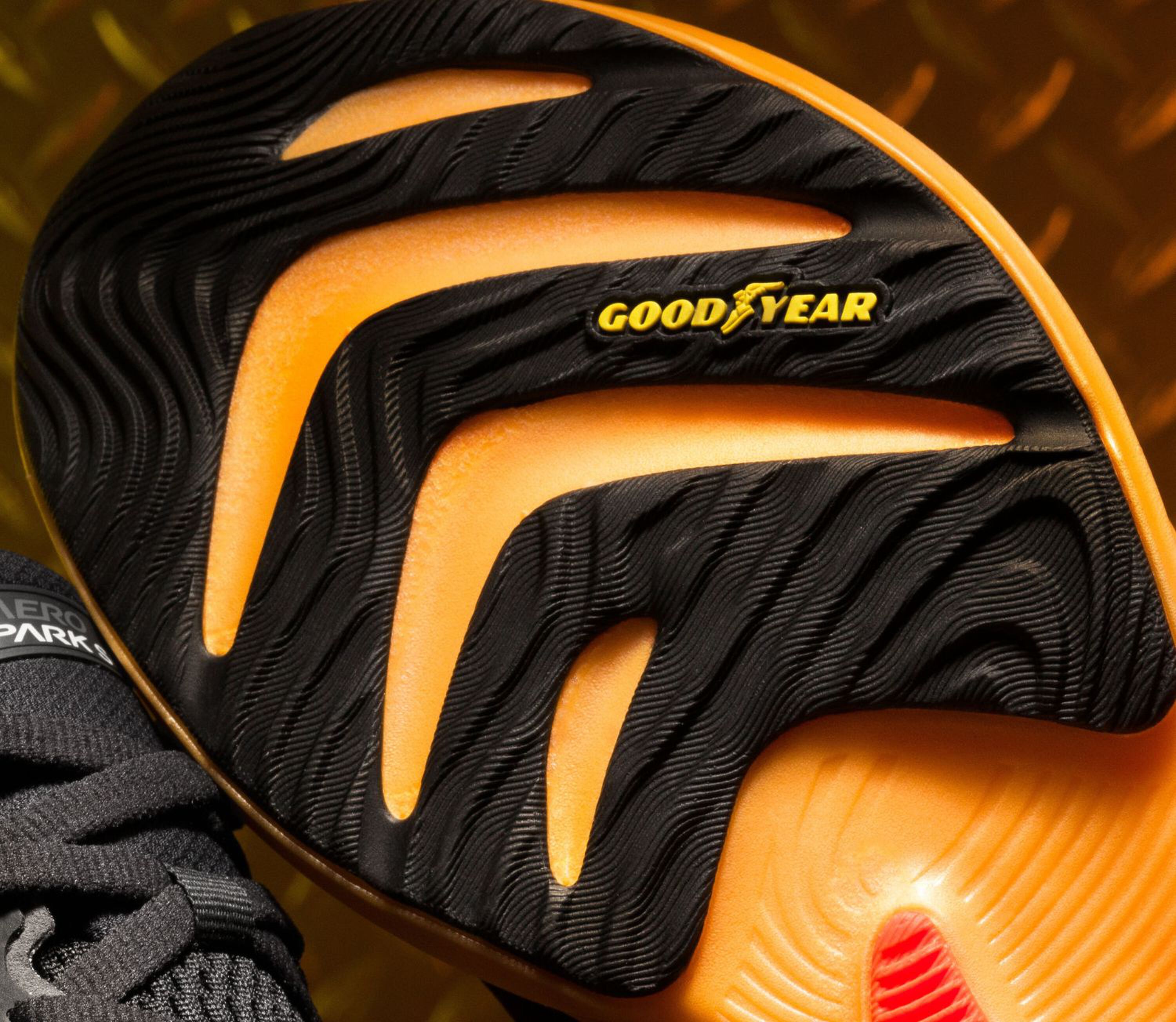
The outsole is the part of the shoe that touches the ground. It handles roads, sidewalks, tracks, treadmills, and some light trail surfaces, so it often shows wear first.
Look for tread that has become smooth, rubber that has worn down more on one side than the other, or areas where the outsole pattern has nearly disappeared. You may also notice that the shoe feels less grippy on familiar surfaces or less predictable when turning, stopping, or running on damp pavement.
Uneven outsole wear can change the feel of your stride, too. A shoe that once rolled smoothly may start to feel tilted, clunky, or inconsistent. Insert your text here
Look for tread that has become smooth, rubber that has worn down more on one side than the other, or areas where the outsole pattern has nearly disappeared. You may also notice that the shoe feels less grippy on familiar surfaces or less predictable when turning, stopping, or running on damp pavement.
Uneven outsole wear can change the feel of your stride, too. A shoe that once rolled smoothly may start to feel tilted, clunky, or inconsistent. Insert your text here
2. The Midsole Feels Flat or Less Responsive
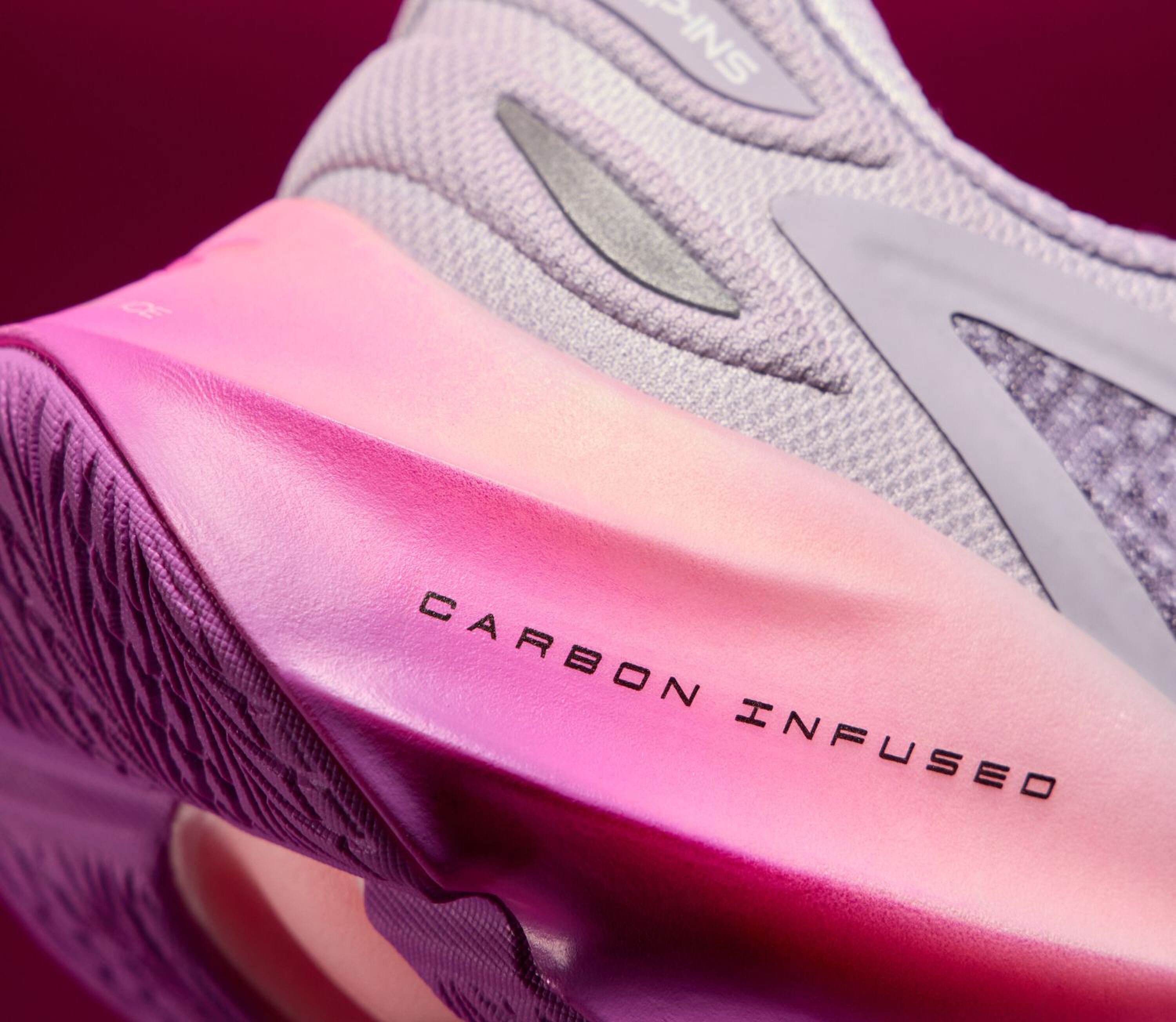
The midsole is where much of the cushioning feel comes from. Over time, repeated compression can make it feel less springy underfoot.
Signs of midsole wear include deep creasing, a packed-down look, or a duller ride than you remember. Your go-to route may feel less cushioned than it used to, or the shoe may no longer give you the same smooth transition from landing to toe-off.
Try a quick comparison check: press your thumb into the midsole foam on both shoes. If one shoe feels noticeably softer, firmer, or more compressed than the other, use that as a sign to inspect the pair more closely.
Signs of midsole wear include deep creasing, a packed-down look, or a duller ride than you remember. Your go-to route may feel less cushioned than it used to, or the shoe may no longer give you the same smooth transition from landing to toe-off.
Try a quick comparison check: press your thumb into the midsole foam on both shoes. If one shoe feels noticeably softer, firmer, or more compressed than the other, use that as a sign to inspect the pair more closely.
3. The Upper Has Stretched, Torn, or Lost Its Hold
The upper is the fabric, mesh, knit, or synthetic material that wraps over and around your foot. It helps create the fit you feel when the shoe is laced.
An older upper may stretch out, tear near flex points, develop holes around the toe area, or lose structure around the heel collar. You might also notice that you keep tightening your laces more than usual, your heel lifts, or your foot slides slightly inside the shoe.
A secure-feeling fit matters for comfort and confidence. When the upper no longer holds your foot comfortably in place, the shoe may feel sloppy even if the outsole still looks decent.
An older upper may stretch out, tear near flex points, develop holes around the toe area, or lose structure around the heel collar. You might also notice that you keep tightening your laces more than usual, your heel lifts, or your foot slides slightly inside the shoe.
A secure-feeling fit matters for comfort and confidence. When the upper no longer holds your foot comfortably in place, the shoe may feel sloppy even if the outsole still looks decent.
4. The Inside of the Shoe Feels Worn Down
Do not forget the interior. The sockliner, heel lining, tongue, and collar can all show wear with repeated use.
Check for a compressed insole, rough heel lining, worn padding, or seams that feel more noticeable than before. A shoe can look fine from the outside but feel tired on the inside.
Check for a compressed insole, rough heel lining, worn padding, or seams that feel more noticeable than before. A shoe can look fine from the outside but feel tired on the inside.
5. Your Run Feels Different, Even Though Your Routine Hasn’t Changed
Sometimes the clearest sign is not visual. It is the feeling.
If you are running the same route at the same pace but your shoes feel dull, uneven, or less comfortable, the materials may be worn. Compare your current pair with a newer running shoe if you have one. The difference can be easy to feel.Insert your text here
If you are running the same route at the same pace but your shoes feel dull, uneven, or less comfortable, the materials may be worn. Compare your current pair with a newer running shoe if you have one. The difference can be easy to feel.Insert your text here
6. The Shoe No Longer Matches the Run
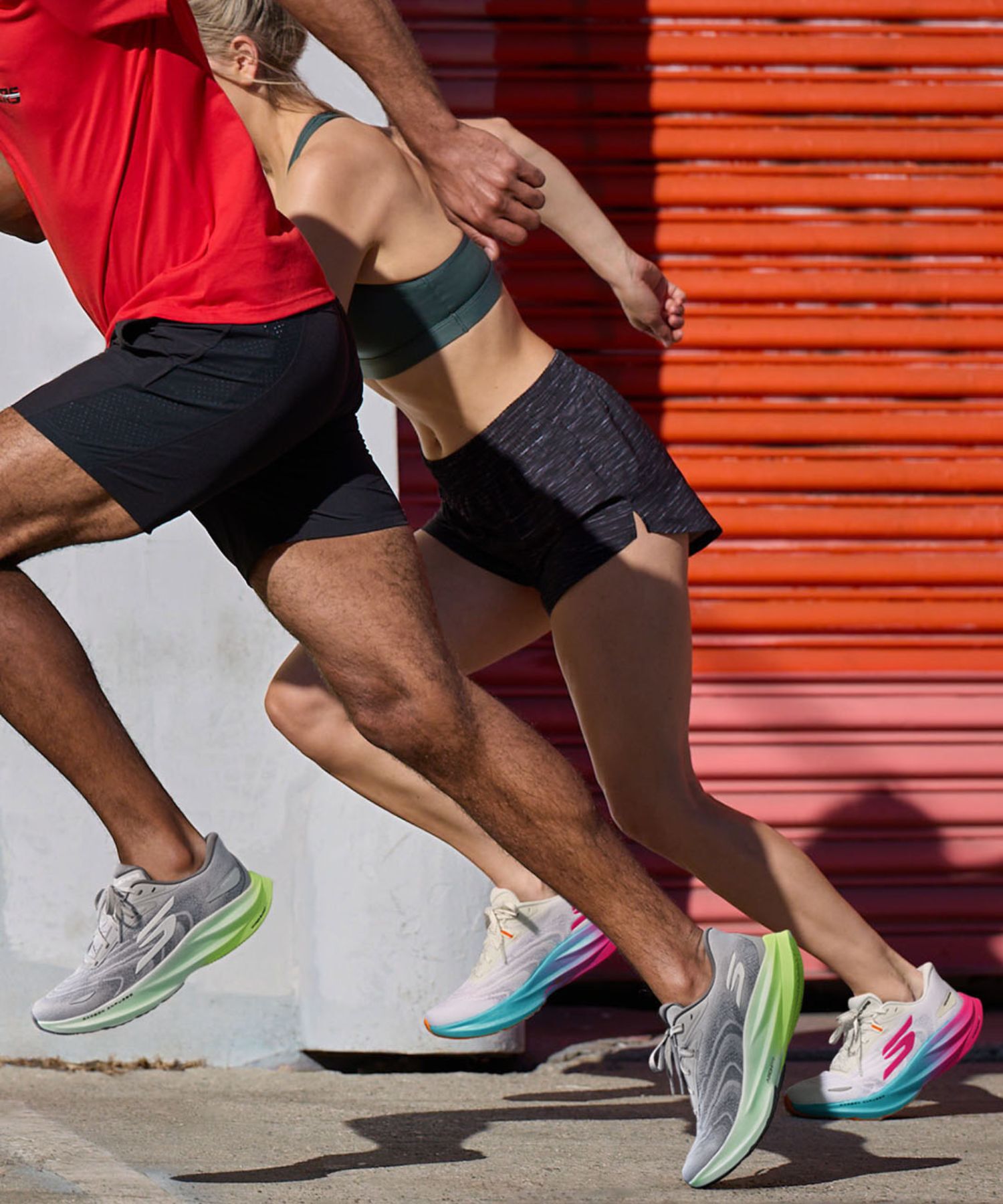
A shoe can be worn out for running but still useful for casual errands, short walks, or other low-demand wear. Once the outsole, midsole, or upper no longer feels right for running, consider retiring that pair from training and bringing in a fresh one for your miles.
What to Choose Next
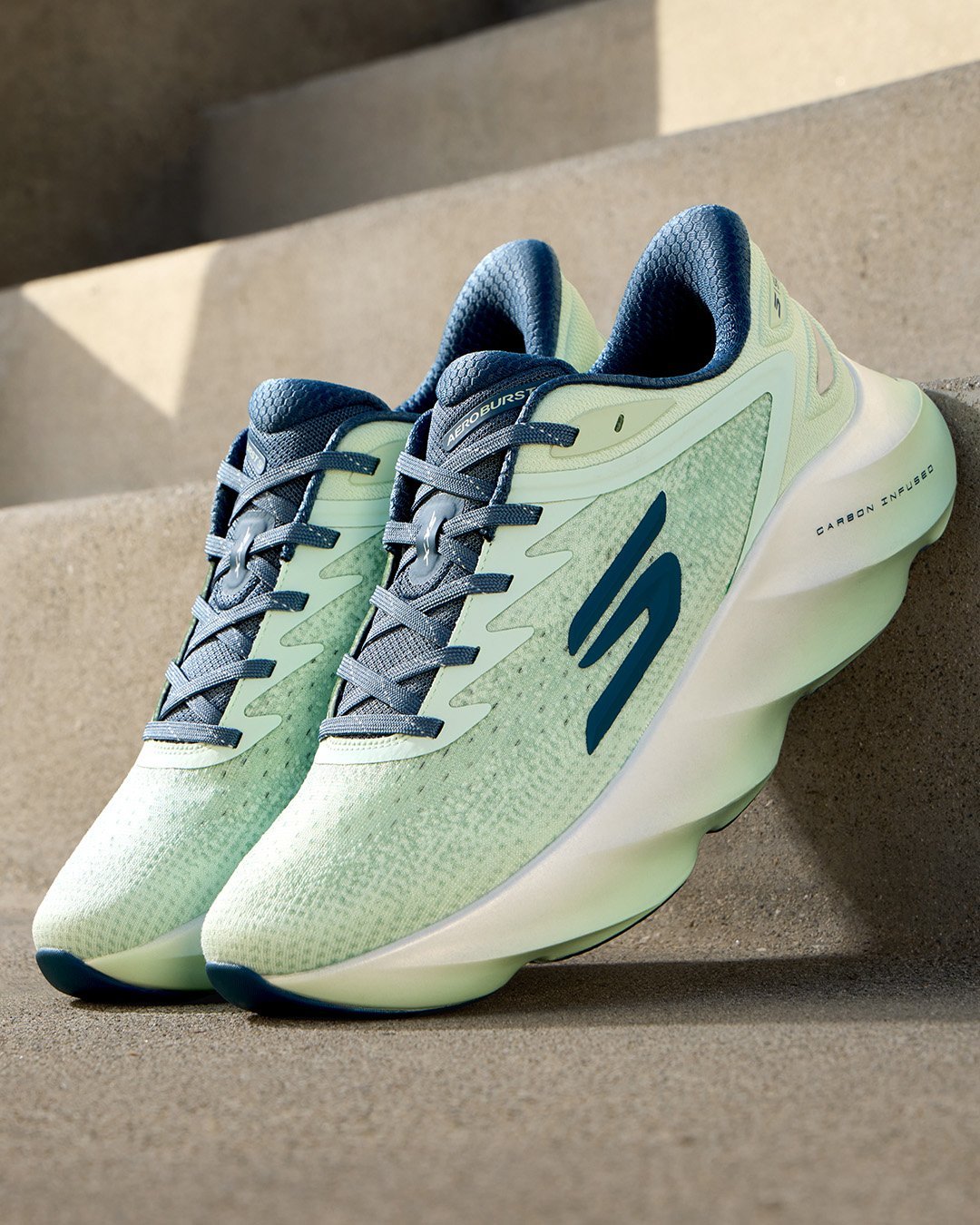
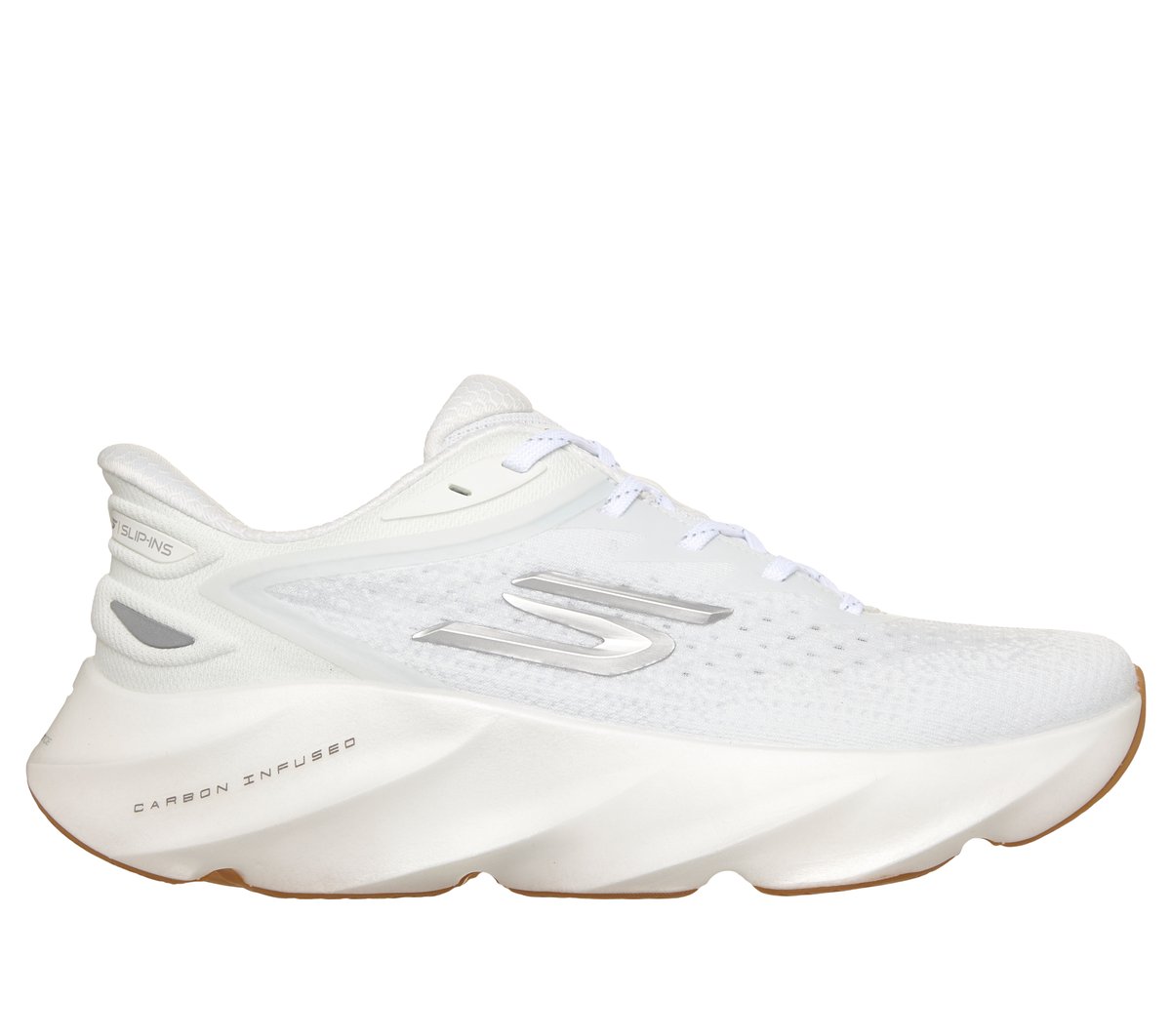
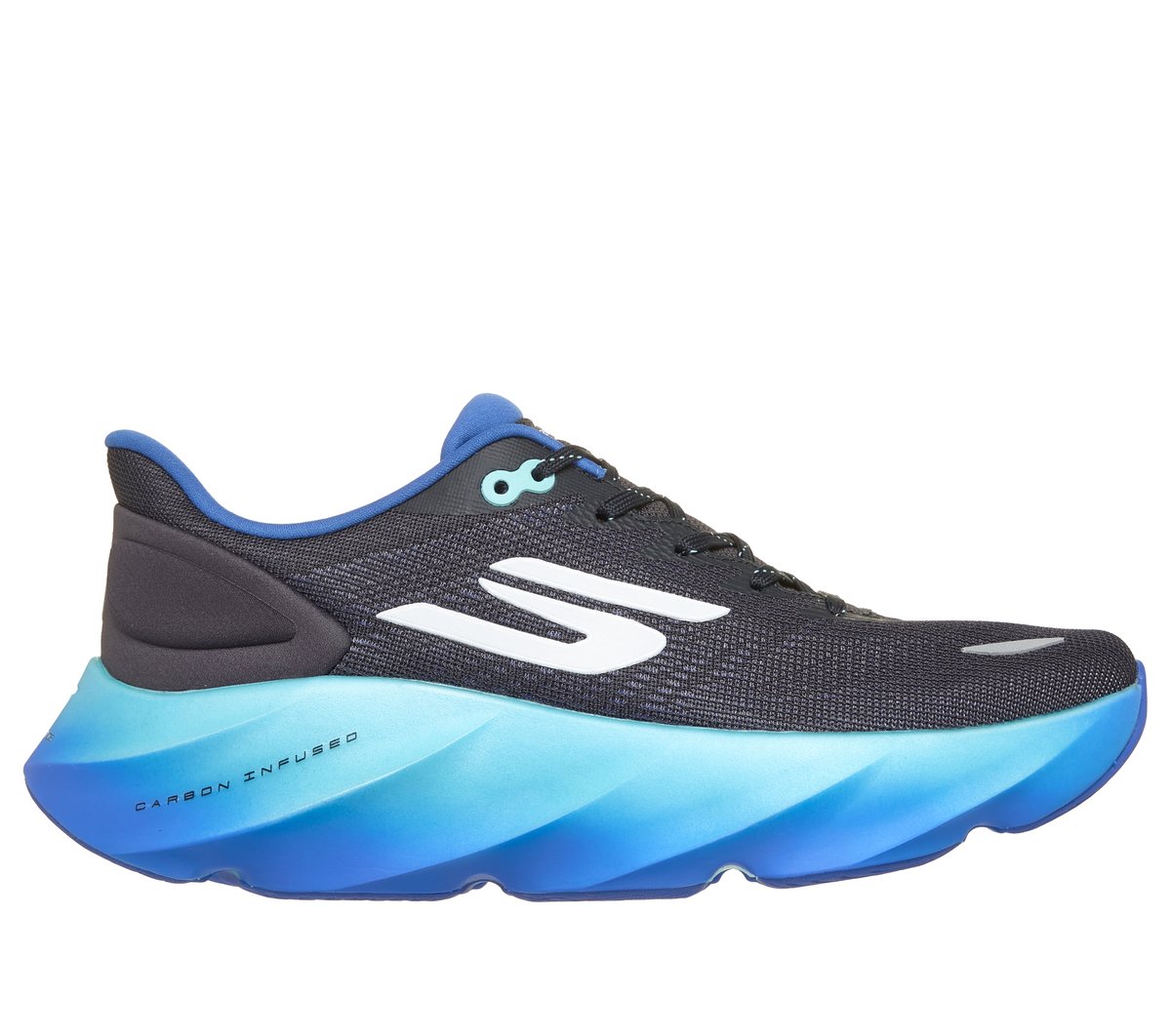
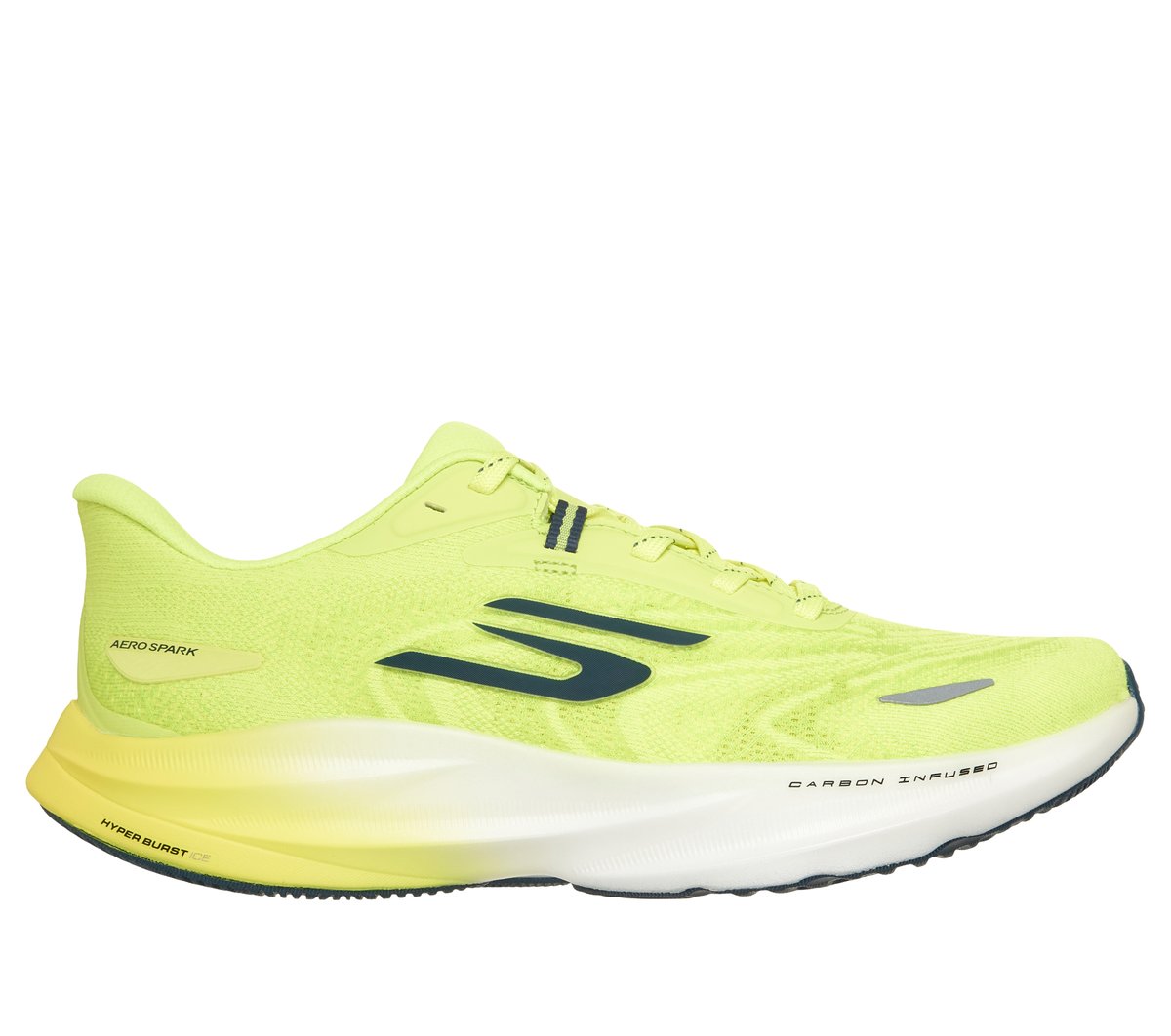
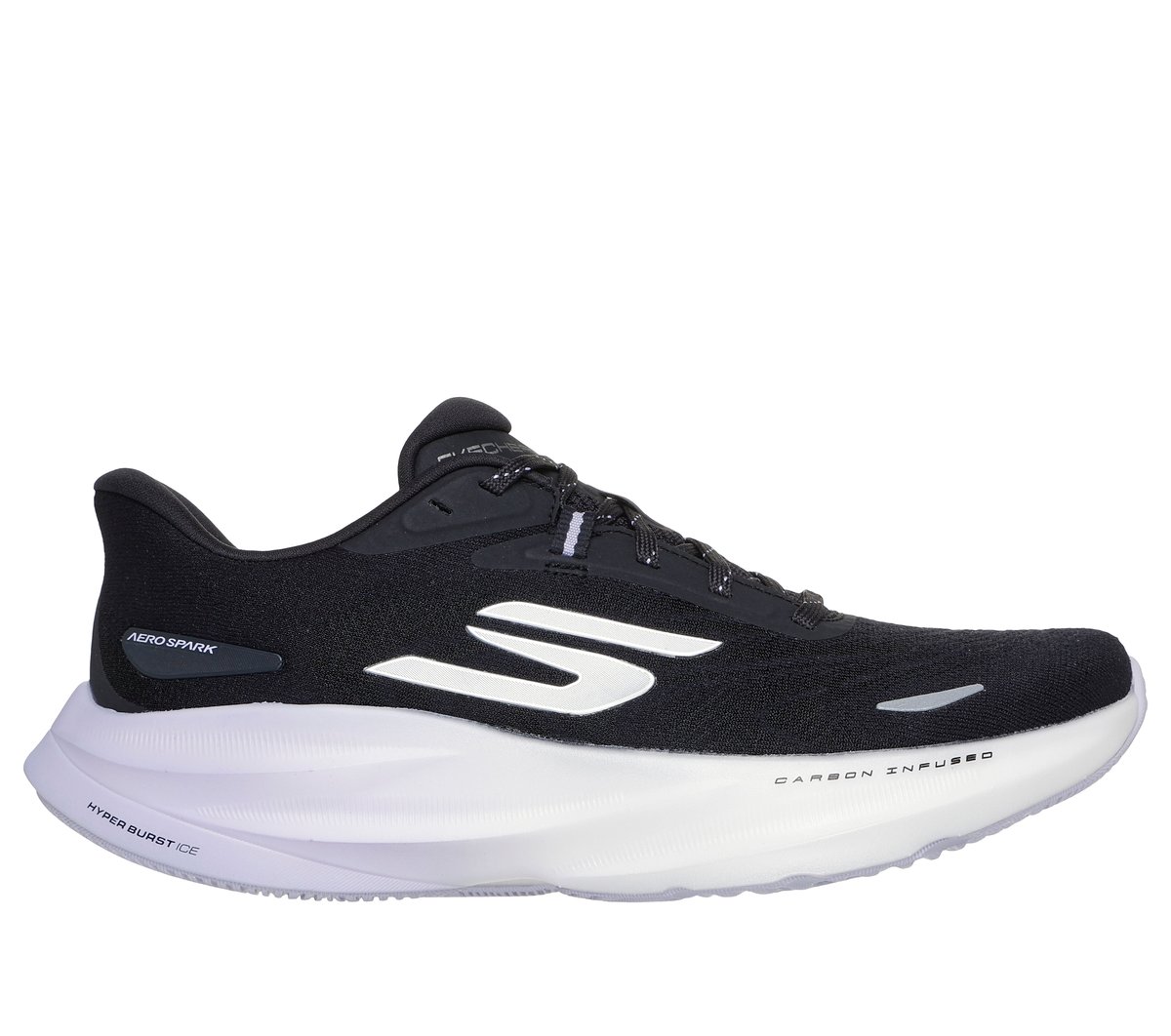
Once you know what changed in your old pair, choose your next shoe based on what you want more of: everyday training comfort, a cushioned distance feel, lightweight performance, or hands-free convenience.
| What the runner wants | Recommended destination |
|---|---|
| Everyday training comfort | Skechers GO RUN® styles, AERO Burst®, AERO Spark™, and AERO Pulse®. |
| Cushioned distance feel | AERO Burst®, AERO Spark™ |
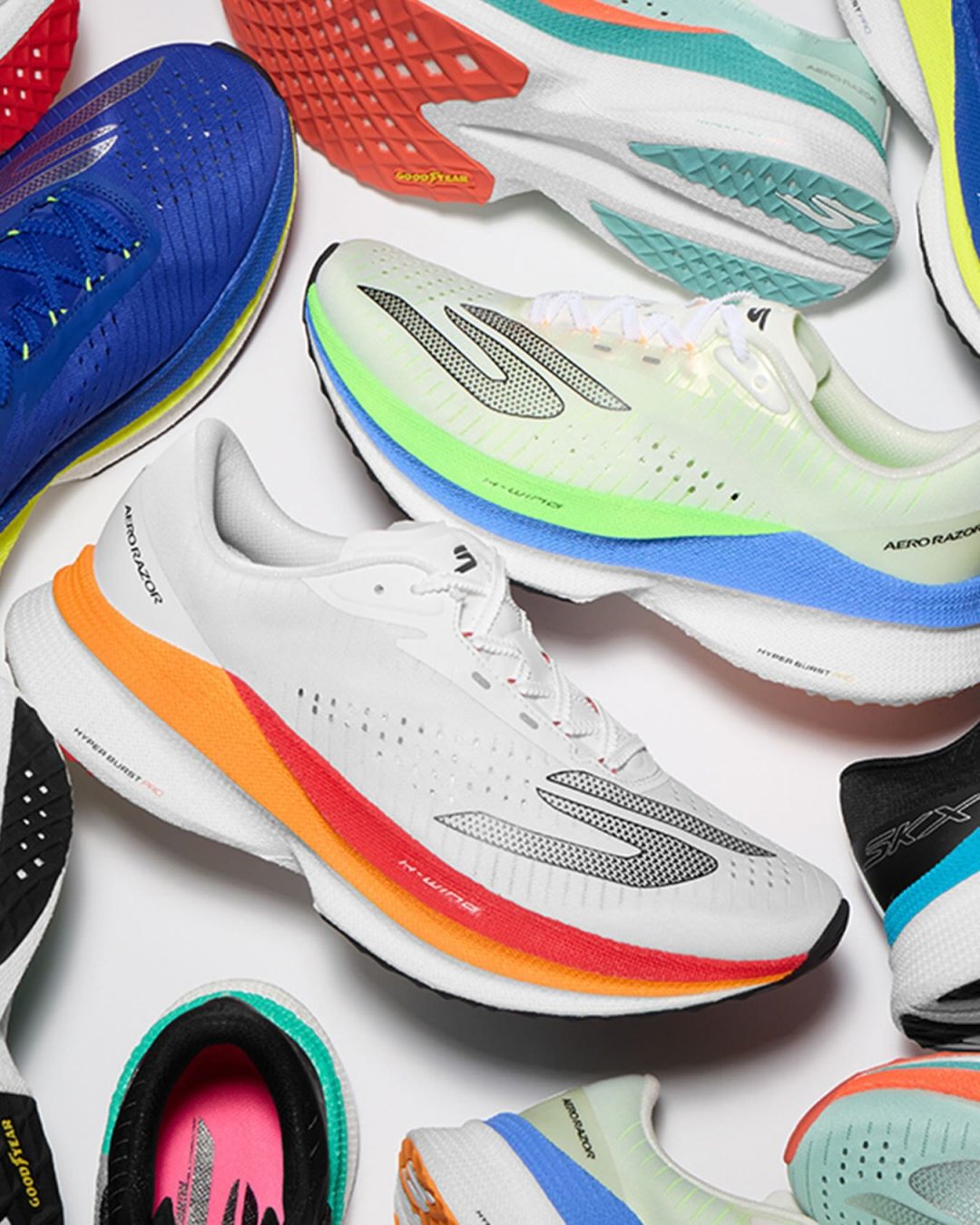
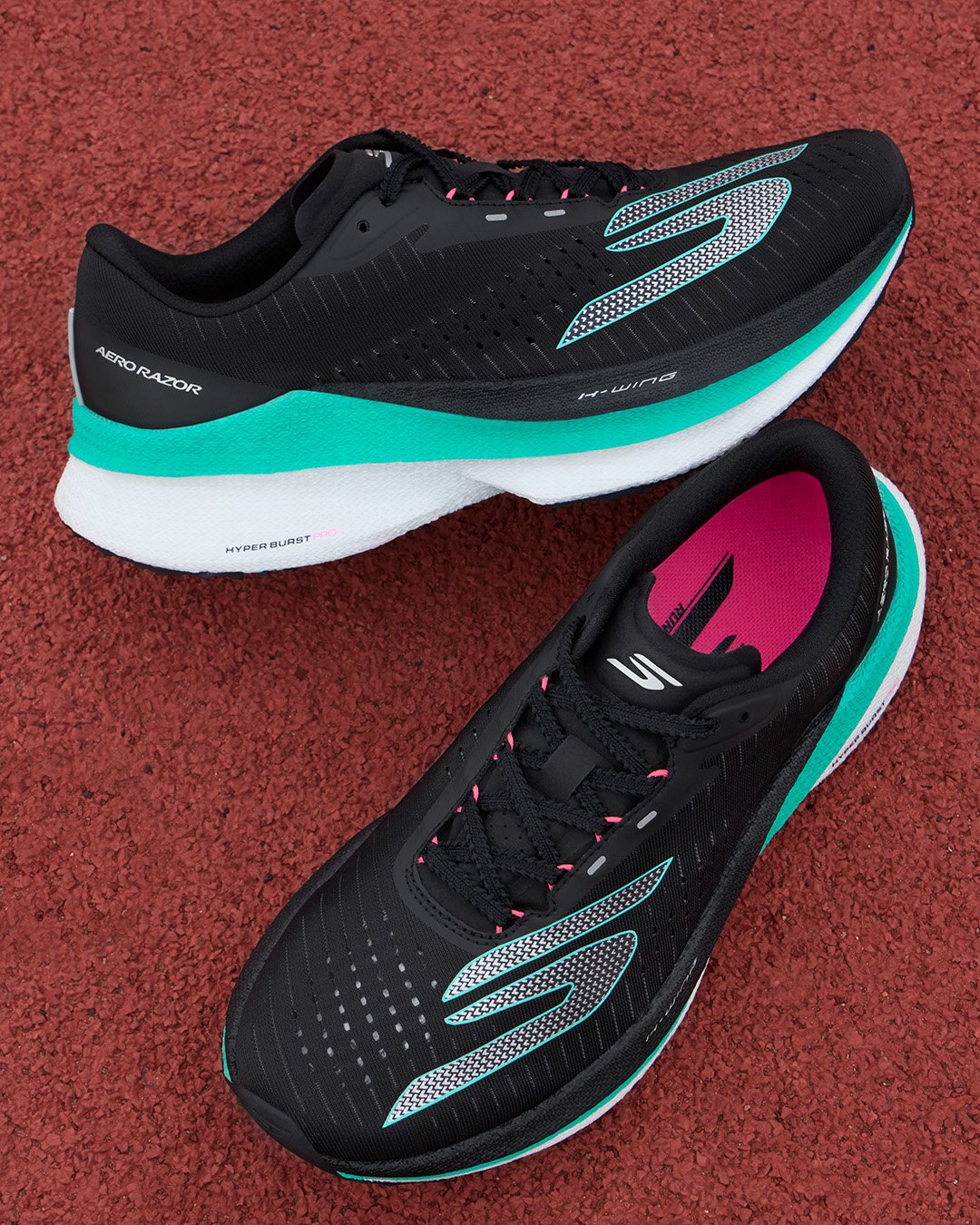
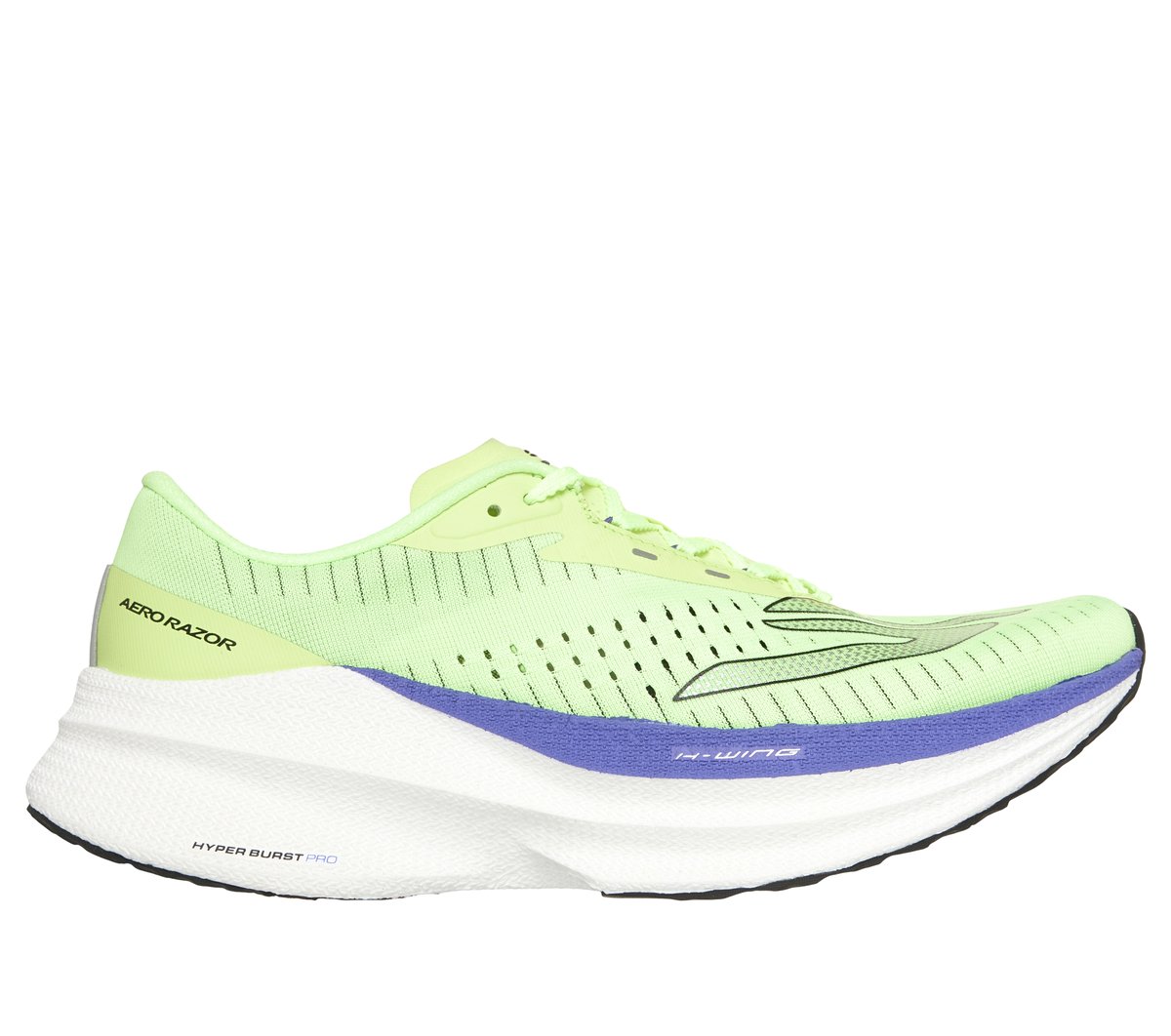
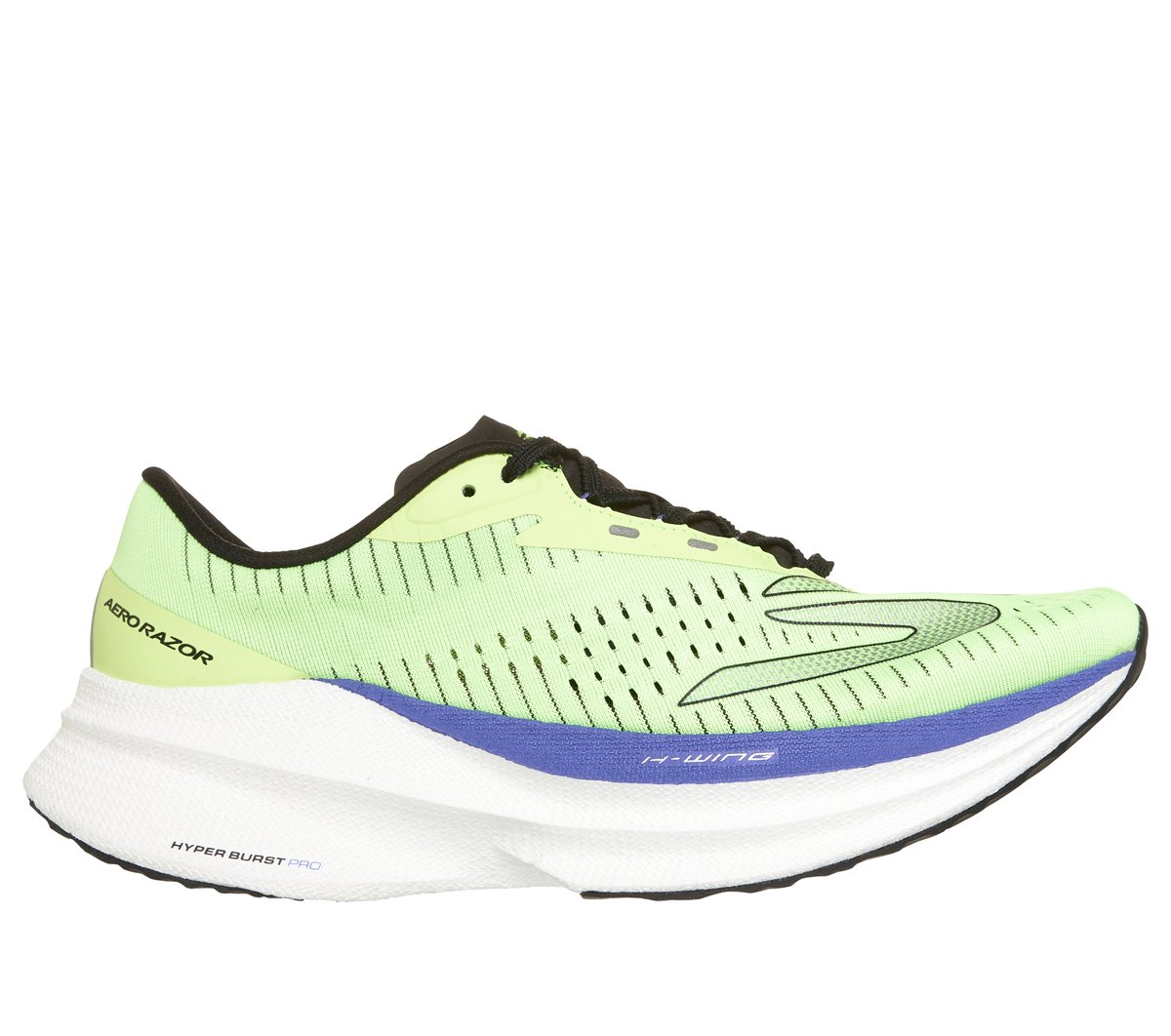
| Lightweight performance | AERO Razor |
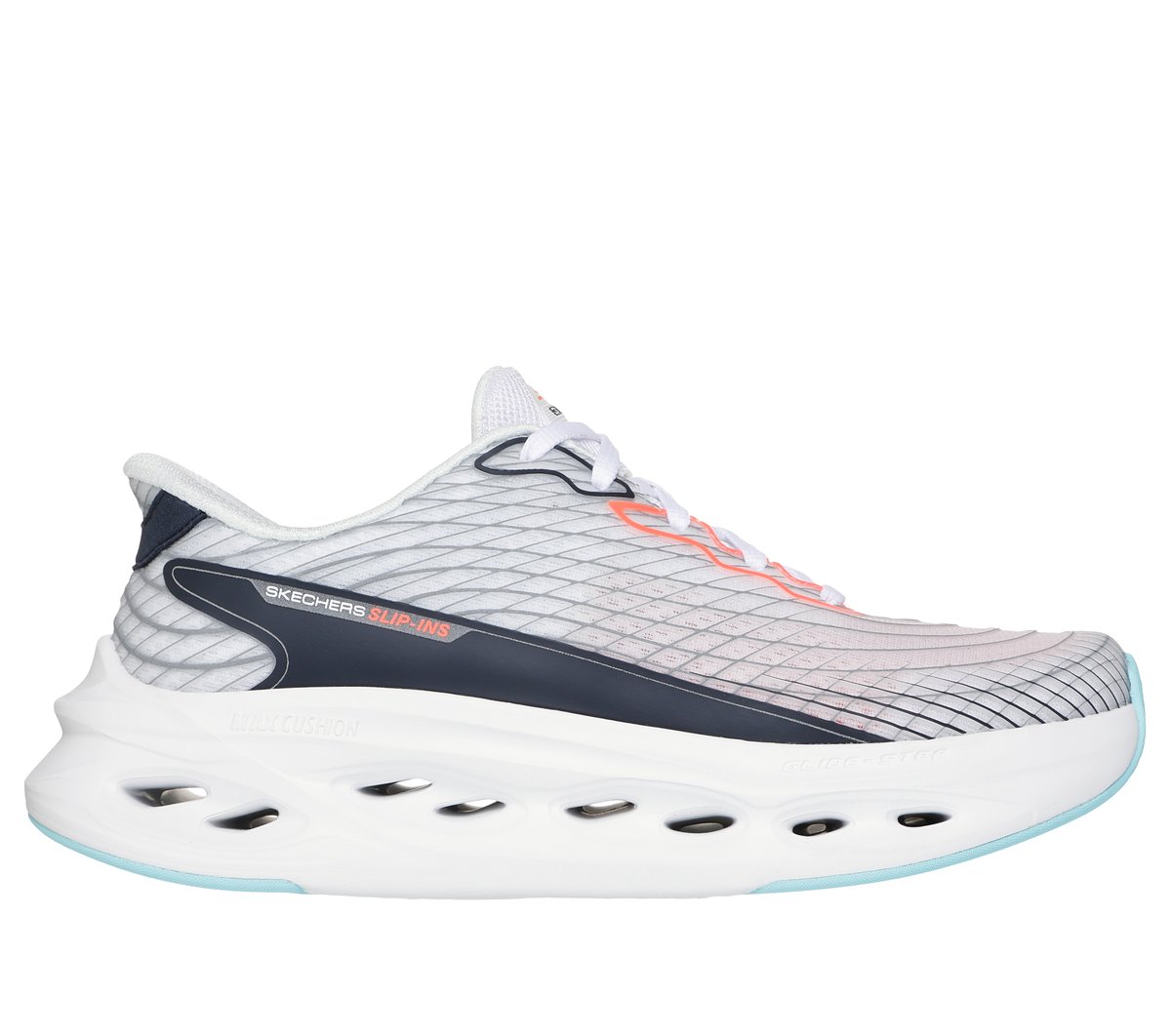
| Hands-free convenience | Skechers Hands Free Slip-ins® running styles |
| General replacement shopping | Skechers running shoes |
Product names, colors, sizes, and availability can change. Check each product page for the latest details before you buy.
How to Help Your Next Pair Last Longer
Use your running shoes mainly for running, loosen the laces before taking them off, let them air out between workouts, and rotate pairs when possible. After wet runs, allow shoes to dry naturally before the next wear. For cleaning, follow the care instructions for your specific style.
Mileage tracking helps, too. Add the shoe to your running app, note the first run date, or write the month inside the tongue so you know when the pair is approaching heavier use.
Mileage tracking helps, too. Add the shoe to your running app, note the first run date, or write the month inside the tongue so you know when the pair is approaching heavier use.
Frequently Asked Questions
Many runners start checking their shoes around the 300–500 mile mark, but mileage is only a guide. Surface, stride, pace, and shoe rotation can all affect how long a pair feels fresh.
Yes. Materials can change over time, especially if shoes are stored in heat, humidity, or direct sunlight. Before running in an older pair, check for stiff areas, cracking, compressed foam, worn lining, or changes in fit and comfort.
Yes. The midsole and interior can feel compressed or less comfortable before the outside looks heavily worn.
Both matter. Outsole wear can affect ground feel and grip, while midsole wear can change the cushioning and responsiveness of the ride.
Often, yes. If the shoes still feel comfortable and the outsole has enough grip, they may work for casual errands or short walks. Once they feel uneven, slippery, or uncomfortable, consider retiring them completely.
Yes. Treadmill miles still count because your shoes are still flexing and compressing during the run. The wear pattern may look different from outdoor wear, so track the mileage and check how the midsole, outsole, upper, and interior feel over time.
Use a running app, GPS watch, training log, or simple weekly estimate. For example, if you run about 15 miles per week, you will reach 300 miles in about 20 weeks.
The Bottom Line
Replace your running shoes when they stop delivering the comfort, fit, and smooth feel you expect. Use 300–500 miles as a helpful checkpoint, then check the outsole, midsole, upper, and interior. When those signs add up, a fresh pair can make your next run feel like a reset.
Goodyear (and Winged Foot Design) are trademarks of or licensed to The Goodyear Tire & Rubber Company used under license by Skechers USA, Inc., Manhattan Beach, CA. ©2026 The Goodyear Tire & Rubber Company. This or any footwear cannot completely eliminate the risk of slipping.

 You have successfully logged in.